Article Image
Exfoliation
Over-Exfoliation: When Less Is More
Why stripping your skin barrier might be causing more problems than it solves — and how to find the right balance for your skin type.
Read ArticleSkin Education
Home Skincare
The order you apply skincare products can influence how comfortably and effectively they fit into your routine. Learn a practical approach to layering products without turning your skincare routine into a 10-step project.
Home Skincare · 7 min read
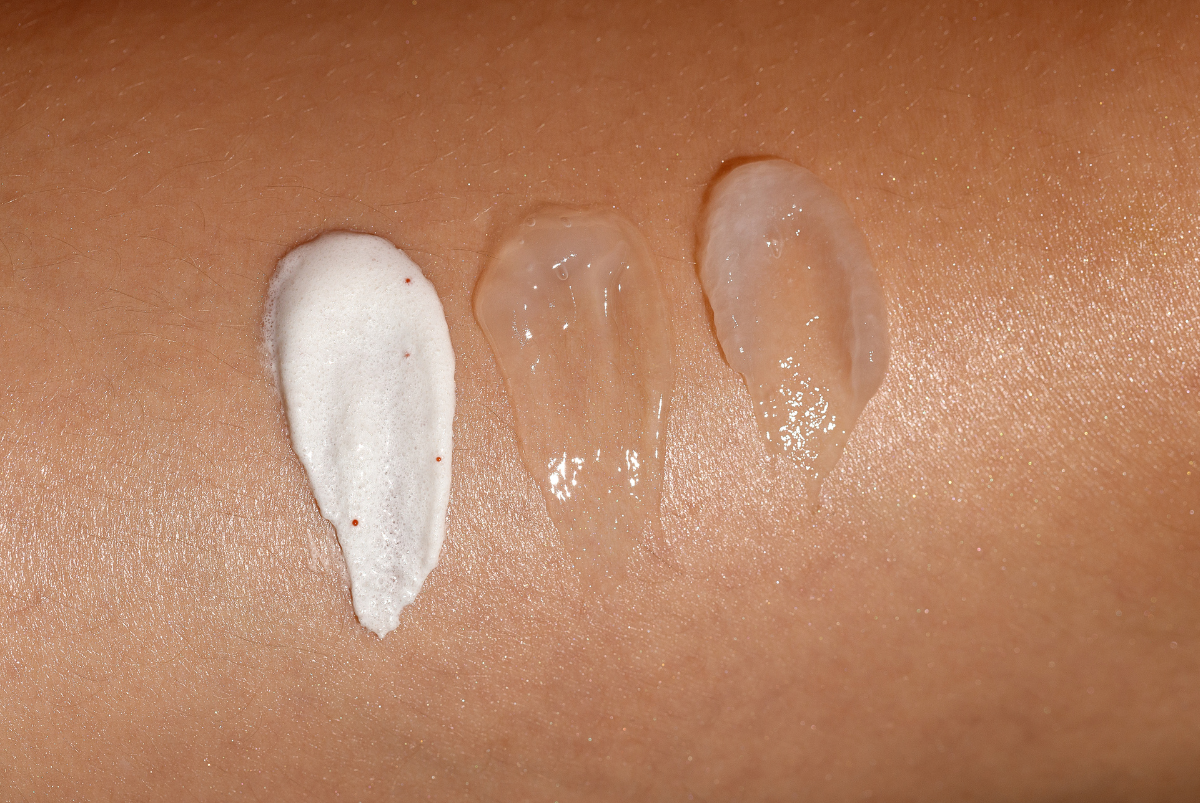
Skincare routines have become increasingly complicated.
Cleansers, toners, essences, serums, exfoliating acids, retinoids, moisturizers, facial oils, and sunscreen can leave people wondering which product goes first — and whether they actually need all of them.
The good news is that an effective skincare routine does not have to include ten different products.
Understanding a few basic principles of skincare layering can help you build a routine that is easier to follow, reduces unnecessary product overlap, and supports your individual skin needs.
Skincare products differ in texture, formulation, and purpose.
A lightweight serum and a rich moisturizer, for example, are designed very differently. Applying products in a logical sequence can help them sit comfortably on the skin and reduce problems such as pilling, heaviness, or unnecessary layering.
A commonly used general principle is to apply lighter, water-based products before heavier creams or oils.
However, skincare layering is not simply about putting products in order from thinnest to thickest. Active ingredients, product instructions, skin sensitivity, and the overall complexity of the routine also matter.
For many people, a basic morning routine can be surprisingly simple:
A typical evening routine might include:
Additional products can be incorporated when there is a reason for them, but more steps do not automatically create better skin.
Cleansing removes makeup, sunscreen, excess oil, and debris from the skin and creates a clean surface for the rest of the routine.
The cleanser should match the person's skin needs.
Cleansing should not routinely leave the skin feeling excessively tight, stripped, or uncomfortable.
If your face consistently feels extremely tight immediately after cleansing, the cleanser or cleansing routine may deserve another look.
This is where routines often become unnecessarily complicated.
Treatment products may include antioxidants, hydrating serums, exfoliating acids, retinoids, pigment-supporting ingredients, or products designed for other specific concerns.
Not every treatment belongs in every routine.
Using multiple active ingredients at the same time can sometimes increase irritation without providing additional benefit.
Rather than asking "How many serums should I use?" a better question may be: "What am I actually trying to accomplish with my skincare routine?"
Moisturizers help support the skin barrier and reduce moisture loss.
The appropriate texture can vary considerably depending on the individual.
Someone with naturally dry skin may prefer a richer moisturizer, while someone with oilier skin may prefer something lighter.
Season, climate, treatment history, and the other products in the routine can also influence what feels appropriate.
Broad-spectrum sunscreen should generally be the final skincare step in the morning before makeup.
Applying multiple skincare products on top of sunscreen can interfere with the sunscreen film and may make application less consistent.
Follow the directions for the sunscreen you are using and apply an adequate amount to exposed skin.
Sunscreen is one of the most important components of a daytime skincare routine.
Facial oils are generally used toward the end of a skincare routine.
Because oils are more occlusive than many water-based products, applying them too early may make it more difficult for lighter products to spread comfortably over the skin.
Not everyone needs a facial oil.
For some clients, an appropriate moisturizer provides all the support their skin needs.
Most skincare products do not require long waiting periods between every step unless the product instructions specifically recommend one.
Allowing one product to settle briefly before applying the next may help reduce pilling or mixing, particularly when several products are being layered.
If your routine requires extensive waiting between numerous steps, that may also be a sign that the routine has become unnecessarily complicated.
Pilling occurs when products roll or ball up on the surface of the skin.
It can happen when:
Before buying another product, try simplifying the routine and using smaller amounts.
A longer routine is not necessarily a better routine.
Layering multiple exfoliating acids, retinoids, strong acne products, or other potentially irritating ingredients can contribute to redness, tightness, sensitivity, dryness, or barrier disruption.
If the skin begins reacting to products that previously felt comfortable, the answer may not be another serum.
Sometimes the routine needs fewer products.
Jordan's Take
One of the first things I look at when someone tells me their skincare isn't working is the entire routine — not just one product. I've seen routines where someone is using several good products, but they're layering so many active ingredients that their skin never gets a chance to settle down. I would rather see someone consistently use four products that make sense for their skin than have twelve products competing for space in the bathroom. Your routine should have a purpose. Every product should have a reason for being there.
If you have accumulated several skincare products and are unsure what to use, what order to use them in, or whether certain ingredients belong together, a professional skin assessment can help simplify the process.
At Jordan Skin Studio in Frisco, Texas, skincare recommendations can include reviewing the products you already own, identifying unnecessary overlap, evaluating current skin concerns, and building a routine that fits your individual skin and lifestyle.
The goal is not to sell someone the largest possible skincare routine. It is to create one they can actually understand and follow.
Why stripping your skin barrier might be causing more problems than it solves — and how to find the right balance for your skin type.
Read ArticleThese terms are often used interchangeably, but they describe completely different skin conditions requiring different approaches.
Read ArticleFrom over-washing to ingredient conflicts — the everyday errors Jordan sees most often in the treatment room.
Read ArticleStart with a conversation. Jordan can help evaluate your current routine, skin concerns, and goals and determine an approach that makes sense for your skin.
Get Started